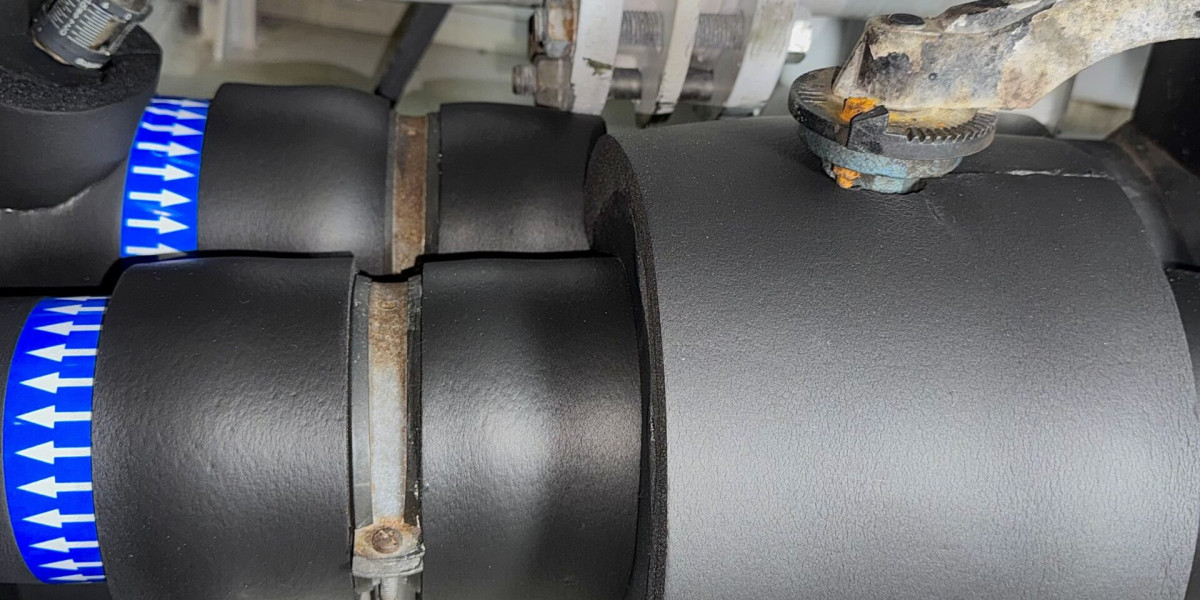

Quiet onboard environments improve comfort, communication, and operational efficiency. Whether you manage a commercial vessel, luxury yacht, fishing craft, or passenger ferry, installing Marine Noise Insulation correctly can transform the onboard experience. Effective Marine soundproofing reduces machinery vibration, engine resonance, airborne disturbances, and structural transmission while helping create a safer and more productive setting. Choosing premium materials, preparing installation surfaces properly, and following a structured application process ensures long-lasting acoustic performance even in demanding maritime conditions.
Why Marine Noise Control Matters
Marine environments generate continuous acoustic energy from propulsion systems, generators, ventilation equipment, hydraulic machinery, compressors, and wave interaction. Without proper insulation, these sounds travel through bulkheads, decks, ceilings, and hull structures, creating discomfort for passengers and fatigue for crew members.
Installing Marine Noise Insulation provides more than peaceful surroundings. It contributes to equipment protection, minimizes vibration transfer, and supports compliance with maritime comfort standards. Professional Marine soundproofing solutions also increase vessel value by improving onboard living and working conditions.
Benefits of Proper Marine Insulation
- Reduces engine compartment noise
- Limits vibration transmission
- Improves passenger comfort
- Enhances crew concentration
- Protects interior finishes from vibration
- Creates a quieter sleeping environment
- Supports professional vessel standards
Selecting the Right Marine Noise Insulation Materials
Every vessel operates under different environmental conditions. Selecting insulation designed specifically for marine applications ensures durability against moisture, salt exposure, temperature fluctuations, and continuous vibration.
Common insulation materials include:
Acoustic Foam Panels
These lightweight panels absorb airborne sound and reduce echo inside cabins and machinery spaces.
Mass Loaded Vinyl (MLV)
A dense acoustic barrier that blocks sound transmission through walls, partitions, and flooring systems.
Composite Acoustic Blankets
These combine absorption and blocking layers, making them highly effective around engine compartments.
Closed-Cell Foam
Closed-cell materials resist water absorption while providing thermal insulation and vibration reduction.
Vibration Damping Sheets
These sheets reduce structural resonance by limiting panel vibration across metal surfaces.
Selecting compatible products ensures Marine Noise Insulation performs effectively for years without deterioration.
Preparing the Installation Area
Successful insulation begins with careful preparation. Surface cleanliness directly influences adhesive performance and long-term durability.
Clean Every Surface
Remove grease, dust, corrosion, moisture, and loose coatings before beginning installation.
Inspect Structural Components
Check bulkheads, decks, engine covers, ceilings, and machinery enclosures for damage that could affect insulation performance.
Measure Installation Zones
Create accurate measurements before cutting insulation materials. Precise dimensions reduce waste and improve overall appearance.
Gather Required Equipment
Prepare:
- Measuring tape
- Utility knife
- Roller tool
- Marine-grade adhesive
- Protective gloves
- Straight edge
- Marker
- Cleaning solvent
Proper preparation simplifies the complete Marine soundproofing process.
Installing Marine Noise Insulation Step by Step
Step 1: Cut Materials Precisely
Transfer measurements onto insulation sheets and cut clean edges using a sharp blade. Accurate fitting minimizes acoustic leakage around seams.
Step 2: Apply Marine Adhesive
Spread marine-approved adhesive evenly across the installation surface or insulation backing according to manufacturer recommendations.
Avoid excessive adhesive buildup, which may reduce bonding performance.
Step 3: Position Insulation Carefully
Place each section slowly while aligning edges accurately. Once positioned, use a roller to eliminate trapped air pockets.
This creates continuous contact between the insulation and vessel surface, maximizing Marine Noise Insulation effectiveness.
Step 4: Seal Every Joint
Seal seams with acoustic tape or compatible sealing compounds. Small gaps allow unwanted sound transmission and reduce insulation efficiency.
Professional Marine soundproofing installations always focus on airtight seam finishing.
Step 5: Cover High-Noise Areas
Priority locations include:
- Engine rooms
- Generator compartments
- Pump rooms
- Mechanical spaces
- Cabin walls
- Deck ceilings
- Bulkheads
- Machinery access panels
These areas typically generate the greatest amount of transmitted sound.
Engine Room Insulation Best Practices
The engine compartment produces the highest acoustic levels onboard.
Install insulation on:
- Engine enclosure walls
- Ceiling panels
- Access doors
- Bulkheads surrounding machinery
- Generator housings
Leave ventilation openings unobstructed to maintain proper airflow and equipment cooling.
Combining absorption materials with vibration barriers produces exceptional Marine Noise Insulation results inside machinery spaces.
Reducing Structural Vibration
Airborne noise is only part of the challenge. Structural vibration travels through steel, aluminum, and fiberglass frameworks.
Install vibration damping products on:
- Hull plating
- Deck panels
- Engine mounts
- Machinery supports
- Metal partitions
Integrated Marine soundproofing systems address both airborne sound and vibration transmission simultaneously.
Moisture Protection During Installation
Marine environments expose insulation to humidity, condensation, and saltwater.
Choose products that feature:
- Water resistance
- Mold resistance
- Corrosion compatibility
- Fire-rated construction
- Marine certification
Proper sealing around edges prevents moisture penetration and extends insulation lifespan.
Common Installation Mistakes
Avoid these frequent errors:
Skipping Surface Preparation
Dirty surfaces weaken adhesive strength and shorten insulation service life.
Leaving Air Gaps
Unsealed spaces allow sound leakage that reduces acoustic efficiency.
Using Household Materials
Residential insulation products rarely tolerate harsh marine environments.
Blocking Ventilation
Never cover cooling pathways around engines or generators.
Ignoring Vibration Sources
Acoustic barriers alone cannot eliminate structure-borne noise without vibration control.
Careful planning results in higher-performing Marine Noise Insulation systems.
Maintaining Installed Insulation
Routine inspections preserve acoustic performance.
Maintenance recommendations include:
- Inspect adhesive annually.
- Replace damaged sealing tape.
- Remove accumulated dirt.
- Check moisture barriers.
- Repair loose panels immediately.
- Inspect engine compartment insulation after maintenance work.
Preventive maintenance extends the effectiveness of Marine soundproofing installations throughout the vessel's operational life.
Professional Installation vs DIY
Smaller recreational boats often allow experienced owners to install insulation successfully.
Commercial ships, passenger vessels, offshore platforms, and large yachts generally benefit from professional installation because technicians understand acoustic engineering, marine regulations, and complex machinery layouts.
Professional installers also identify hidden vibration pathways that may otherwise remain untreated.
Final Thoughts
Installing high-quality Marine Noise Insulation is a practical investment for enhancing onboard comfort, reducing machinery disturbance, and extending the durability of interior spaces. By selecting certified marine materials, preparing every surface carefully, sealing joints accurately, and maintaining the system regularly, vessel owners can achieve outstanding acoustic performance. Whether upgrading a private yacht or a commercial ship, professionally planned Marine soundproofing delivers lasting value, quieter voyages, and a significantly improved onboard experience.